Keywords:
technology
Sentiment:
neutral
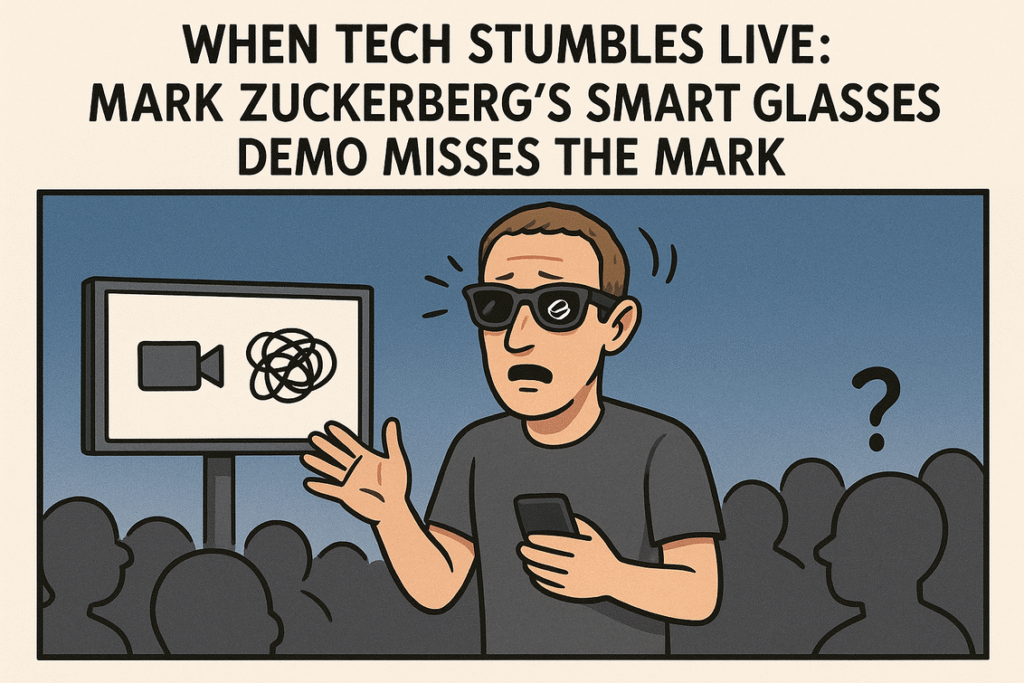
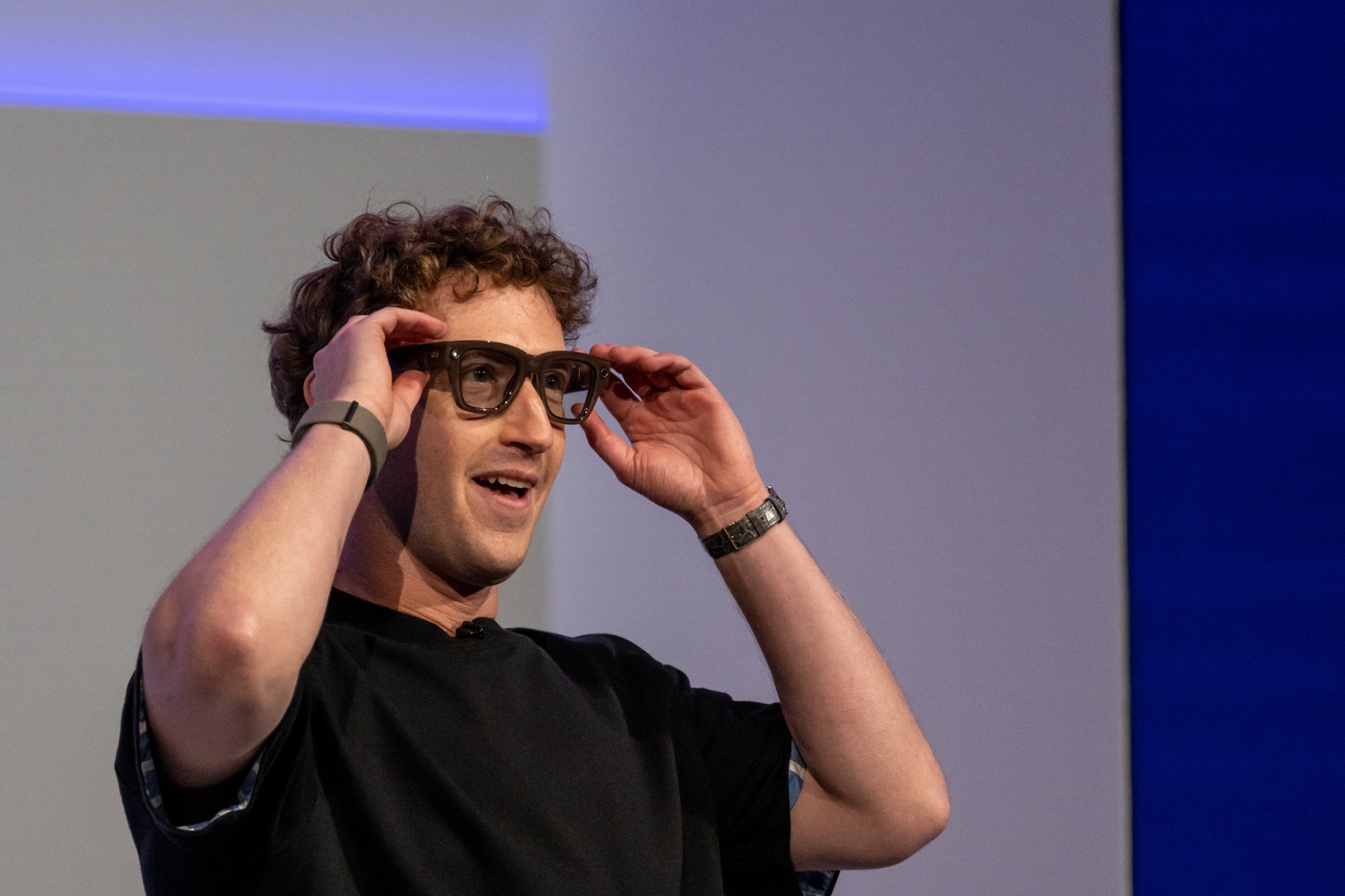
In the fast-paced world of tech innovation, live demonstrations carry a unique blend of excitement and risk. Mark Zuckerberg, Meta’s tech visionary, recently showcased the company’s latest creation: the Ray-Ban Display smart glasses, priced at a steep $799. While critics have generally been enthusiastic about the potential of Meta’s wearable technology, the live unveiling on stage didn’t quite unfold as smoothly as intended.
During the presentation, viewers witnessed a series of technical hiccups that disrupted the flow and functionality of the glasses’ features. Instead of a seamless display of cutting-edge capabilities, the demo involved moments of confusion and latency, visibly testing Zuckerberg’s composure. Yet, rather than show frustration, he maintained a lighthearted attitude, even laughing off the glitches. This reaction, while humanizing, also highlights the unpredictable nature of launching pioneering technology under the public eye.
From an analytical standpoint, the setbacks during the demo reveal both the challenges Meta faces and the immense pressure to deliver perfection. Smart glasses have long been touted as a frontier for personal tech, blending fashion with augmented reality conveniences. However, making such devices reliable, user-friendly, and worth the high price point remains a formidable hurdle. The live snafu uncovers a gap between innovation concept and market-ready product, a common growing pain for emerging wearable tech.
Moreover, Zuckerberg’s response sheds light on the delicate balance between transparency and hype in tech marketing. A live malfunction often spurs skepticism, but his ability to laugh in the moment may foster empathy among viewers, underscoring that progress sometimes involves trial and error. It’s a reminder that behind every glossy product launch lies a complex development journey filled with unforeseen problems that need navigating before widespread adoption.
In conclusion, while the messy debut of the Ray-Ban Display smart glasses might have dented the initial wow factor, it also offered an authentic glimpse into the evolving landscape of wearables. Meta is wagering heavily on integrating technology into everyday accessories, a vision that will require continued refinement and consumer trust. As much as we demand flawless innovation, moments like this humanize the process and set the stage for future advancements that might eventually transform how we interact with the digital world.
No statistics available at this time.
Source: https://fortune.com
📋 Summary
Meta unveiled its latest smart-glasses lineup, including the Ray-Ban Display, Ray-Ban Meta Gen 2, and Oakley Meta Vanguard, featuring AI-powered hands-free controls via a neural wristband and integrated transparent displays. While early reviews praised the innovation and practicality of the models, a high-profile live demo led by Mark Zuckerberg faced significant technical issues, including failed video calls and AI misinterpretations, overshadowing the event yet highlighting Meta’s long-term focus on neural wrist interfaces and wearable technology development.