Keywords:
entertainment, lady gaga, syndicated feeds, samsung news feed, tim burton, ai, music, fandom, wednesday, apple news feed
Sentiment:
neutral
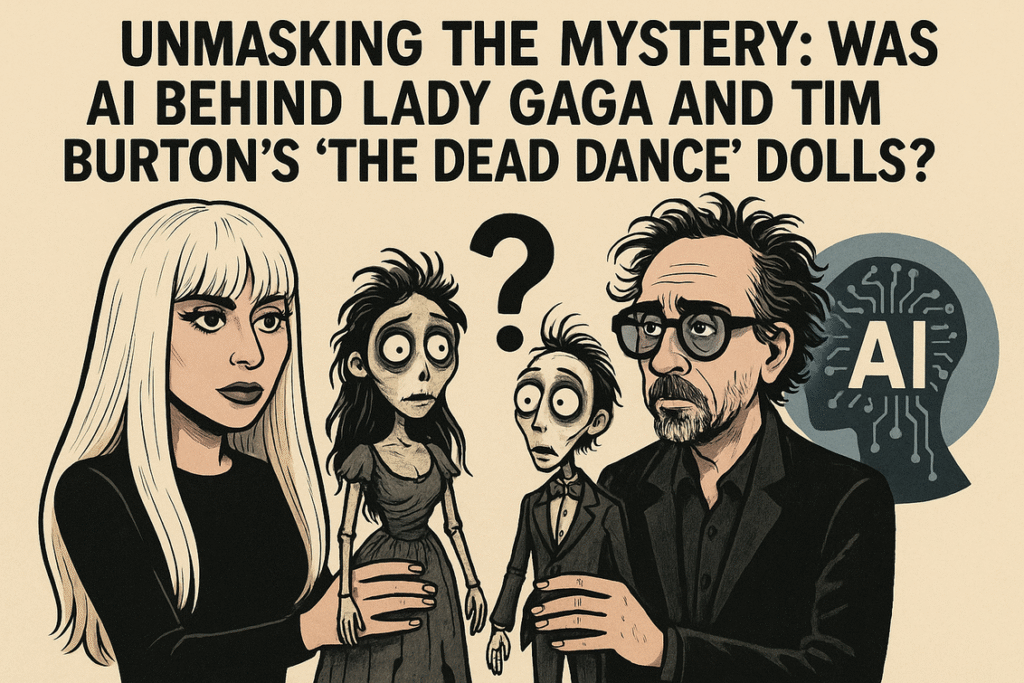
Lady Gaga and Tim Burton’s recent collaboration on the music video “The Dead Dance” has stirred more than just excitement—it’s sparked a lively debate about the role of artificial intelligence in creative productions. The video, marked by eerie black-and-white visuals and haunted, animated dolls, has some viewers questioning the authenticity of its special effects. As digital artistry advances, the line between traditional visual effects and AI-generated content blurs, prompting fans to scrutinize every frame for what might be machine-made.
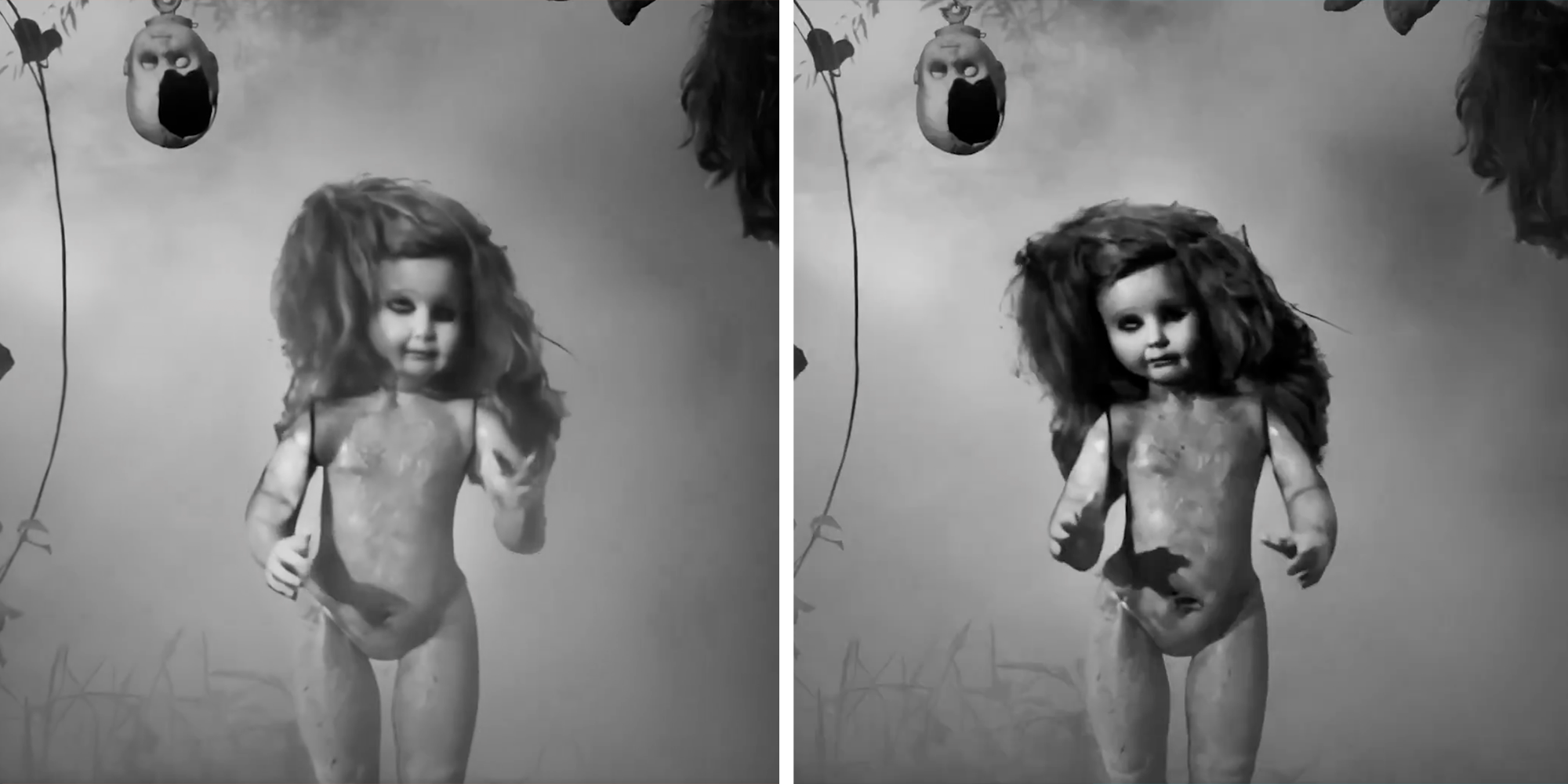
Watching the dolls in the video, many viewers noticed odd glitches: pixelation inconsistencies and moments where the dolls’ features warp unnaturally. This triggered speculation that generative AI was used to bring these creepy puppets to life rather than conventional animation or practical effects. Given Tim Burton’s celebrated hands-on style and artistic integrity, such suspicions are causing a stir—especially since the filmmaker has openly criticized AI’s encroachment on creative expression, likening it to a violation of the artist’s soul.
On the other hand, production insiders have publicly denied any use of AI, emphasizing that the animated dolls were crafted using traditional visual effects techniques under the supervision of a seasoned VFX team. This reassurance, however, has done little to quell the skepticism, illustrating how trust in digital content now demands transparency beyond official statements. Fans’ doubts highlight the growing challenge filmmakers face in convincing audiences about the authenticity of handcrafted artistry in an age where AI-generated visuals are becoming increasingly convincing.
From a broader perspective, this controversy underscores a pivotal moment in the entertainment industry. As AI tools become more accessible and powerful, distinguishing between human-driven creativity and algorithmic assistance is increasingly complex. For artists like Lady Gaga and Tim Burton, who thrive on originality and dark fantasy aesthetics, navigating these perceptions is critical not just for their brand, but also for setting artistic standards in a rapidly evolving creative landscape.
Ultimately, the “Dead Dance” debate invites us to reflect on how we value originality and craftsmanship amid technological disruption. Whether or not AI played a role in animating those haunting dolls, the conversation itself signals a deeper cultural transition—one where the authenticity of art may soon depend not only on what we see but how transparently creators share their methods. In that way, the video is as much a cultural artifact of our digital moment as it is a work of dark fantasy.
No statistics available at this time.
Source: https://www.dailydot.com
📋 Summary
Pop artist Lady Gaga’s music video “The Dead Dance,” directed by Tim Burton, has sparked mixed reactions from fans, many of whom suspect the special effects—particularly the moving dolls—were created using generative AI. Despite the production manager’s assurances that no AI was used and that the effects were crafted through traditional VFX techniques, skepticism remains among viewers. This controversy is heightened by Burton’s known criticism of AI in creative work, creating doubt about the video’s authenticity amidst a divided online response.