Keywords:
ai, policy, llms, anthropic, large language models, book authors, artificial intelligence, copyright infringement
Sentiment:
negative
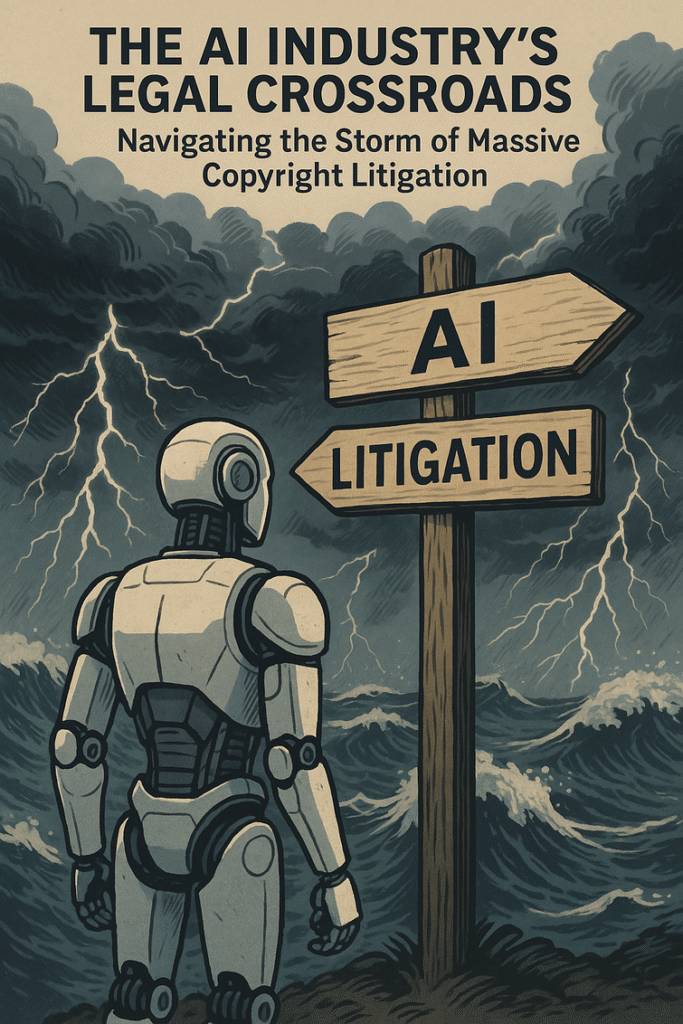
The artificial intelligence sector is facing an unprecedented legal challenge as what is possibly the largest copyright class action in history gains certification. This development sends shockwaves through the AI community, underscoring the complex intersection between innovation and intellectual property rights. Trade associations within the industry have expressed deep concern over the potential financial devastation such lawsuits could impose, threatening to reshape the trajectory of AI development and deployment.
At the heart of this confrontation lies the fundamental question of how AI systems utilize vast amounts of copyrighted material during their training and operation. Many models learn from extensive datasets comprising creative works, but the boundaries of fair use in this context remain murky. The certification of a wide-scale class action indicates that courts may be preparing to hold companies accountable for widespread alleged copyright infringements, raising the stakes for the entire sector.
From a broader perspective, this legal turmoil reveals a pressing need for clearer guidelines and updated frameworks that balance creators’ rights with technological progress. The current patchwork of laws struggles to address the realities of AI, which often learns from and mimics human-generated content. Without legislative or judicial clarity, companies risk exposure to costly litigation, which could stifle innovation and limit consumer access to advanced AI capabilities.
Moreover, the financial implications highlighted by industry leaders cannot be ignored. Beyond the immediate risk of hefty damages and settlements, the certification of such a massive class action might deter investors and startups alike, reducing the diversity and agility that have fueled AI’s rapid growth. This legal uncertainty could push innovators to seek out jurisdictions with more favorable laws or to scale back ambitious projects altogether.
In conclusion, the AI industry stands at a critical juncture, challenged to reconcile its groundbreaking advancements with the imperatives of copyright law. The outcome of this historic class action may force a reevaluation of how AI systems are trained, how data is sourced, and what responsibilities companies bear towards content creators. Navigating this legal labyrinth thoughtfully is essential—not only to protect creative rights but also to ensure the sustainable evolution of AI technologies that continue to reshape our world.
No statistics available at this time.

Source: https://arstechnica.com
📋 Summary
AI industry groups and author advocates are urging an appeals court to block the largest copyright class action certified against Anthropic, warning that allowing up to seven million claimants to join could financially ruin the AI industry and set a harmful precedent. They criticize the district court’s rushed and inadequate class certification process, highlighting the complex challenges of proving ownership across a vast array of works and the potential coercive settlement pressures that could stifle investment and innovation in generative AI. The case underscores unresolved legal questions about the use of copyrighted materials in AI training and raises important concerns about fairness, due process, and the future of AI development.