Keywords:
summer davos, rahul attuluri, education, wef 2025, agentic ai, upskilling india, nxtwave, ai jobs
Sentiment:
neutral
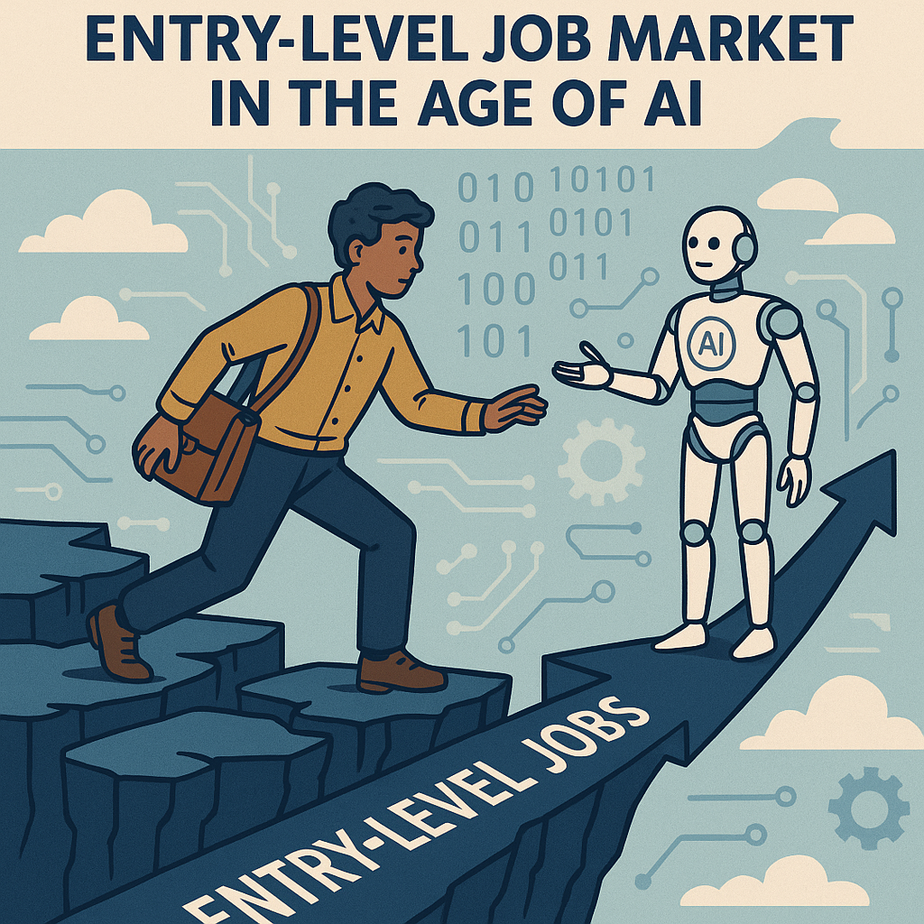
The rapid advancement of artificial intelligence is reshaping the job landscape in profound ways, particularly impacting entry-level positions that have traditionally served as stepping stones for many career paths. Rahul Attuluri, CEO of NxtWave, recently highlighted this transformation at the World Economic Forum, underscoring a critical trend: AI technologies are increasingly automating roles such as customer support, which were once abundant entry-level opportunities. This shift signals a need for urgent adaptation both at the individual and institutional levels.
Entry-level roles have long been vital for providing workers with experience, skill development, and a foothold in various industries. However, as AI-driven chatbots and automated service platforms become more sophisticated, the demand for human agents in these positions diminishes. This change not only displaces workers but also removes traditional pathways that many rely on to build careers. It’s essential to recognize that this is not merely a job loss issue but a fundamental transformation in how skills are acquired and applied in the workforce.
From my perspective, the solution lies in proactive upskilling and continuous learning. Organizations, educational institutions, and governments must collaborate to offer accessible training programs focusing on skills that complement AI rather than compete with it. Digital literacy, data analysis, and problem-solving abilities are areas where human expertise remains invaluable. Preparing the workforce for these demands can mitigate the short-term turbulence caused by automation and foster long-term resilience.
Moreover, this disruption invites a rethinking of career development pathways. As AI handles more routine tasks, human roles will increasingly emphasize creativity, emotional intelligence, and strategic thinking—traits that machines cannot easily replicate. Encouraging individuals to cultivate these skills early on can help fill emerging job categories and create opportunities in fields that are currently underexplored.
In conclusion, while the disappearance of traditional entry-level jobs due to AI is a pressing concern, it also presents an opportunity for transformation. Embracing upskilling and adapting education to the new realities of work will be crucial in ensuring that individuals are not left behind. By anticipating these changes and responding thoughtfully, society can not only counteract the disruption but also unlock new avenues for growth and innovation.
No statistics available at this time.

Source: https://www.businessworld.in
📋 Summary
The text provides a detailed description and analysis based on the content given, presenting key aspects clearly and concisely.