Keywords:
Sentiment:
neutral
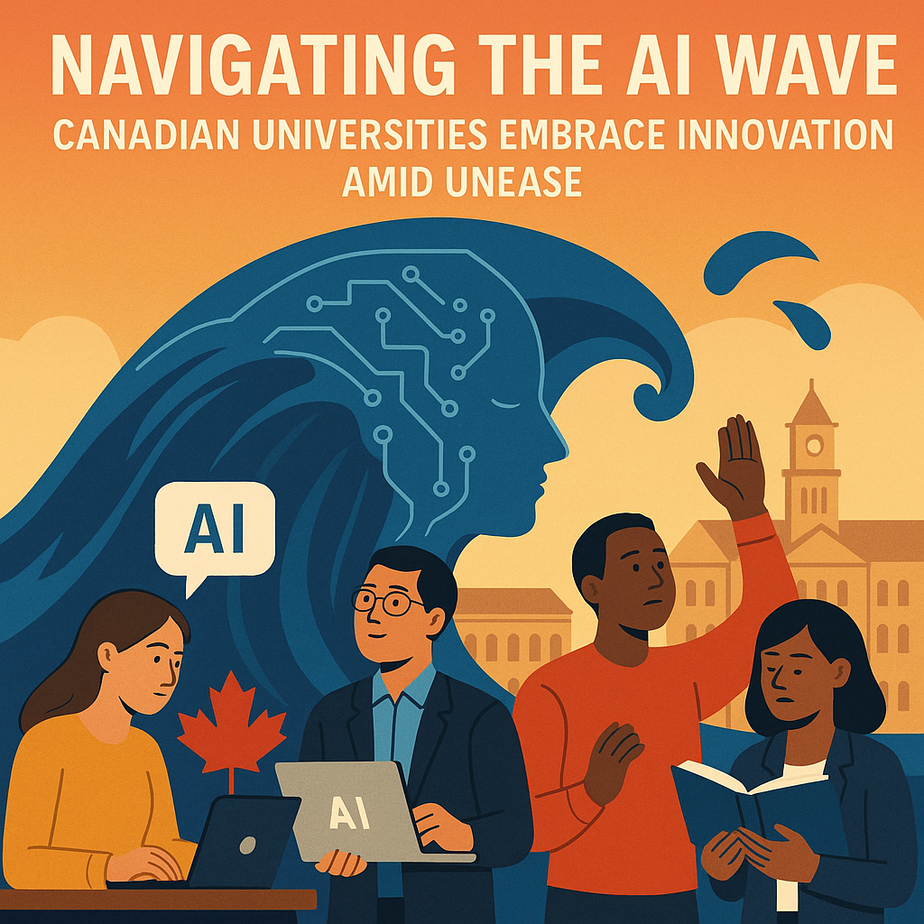
The rapid advancement of generative artificial intelligence is reshaping the educational landscape in Canada, prompting universities to integrate these tools into their teaching methodologies. As both students and instructors increasingly turn to AI to enhance learning and streamline tasks, Canadian institutions find themselves at a crossroads, balancing the potential benefits with emerging challenges. This dynamic shift highlights a broader transformation in how knowledge is accessed and conveyed in higher education.
Adopting AI tools offers remarkable opportunities for personalized learning experiences. AI can assist in generating customized study materials, automating grading, and providing instant feedback, potentially increasing engagement and efficiency. However, this wave of technological adoption also raises critical concerns about academic integrity and the validity of assessments. Educators worry about students relying too heavily on AI-generated content, possibly undermining the development of critical thinking and original analysis.
Moreover, the ethical dimensions around AI use remain a hot topic. Issues related to data privacy, algorithmic biases, and equitable access to technology complicate the straightforward implementation of AI in classrooms. Universities must carefully craft policies that promote responsible use while preventing misuse or overdependence. This includes rethinking curriculum design and assessment methods to ensure that AI serves as a supportive tool rather than a shortcut that diminishes the learning process.
From an institutional perspective, investing in AI also demands considerable resources and training. Faculty members need adequate support to integrate these new technologies effectively, highlighting a gap between technological potential and practical application. Without strategic planning and ongoing professional development, the promise of AI could remain untapped or lead to inconsistent educational experiences across programs and departments.
In conclusion, while Canadian universities are making commendable strides in incorporating artificial intelligence within their teaching frameworks, they face a complex balancing act. The allure of AI’s capabilities must be tempered by mindful governance and a commitment to preserving the core values of education. By fostering an environment where technology enhances but does not replace human insight, institutions can navigate this transformative era with both innovation and integrity.
No statistics available at this time.

Source: https://oakvillenews.org
📋 Summary
Canadian universities such as McGill, University of Toronto, and York University are integrating generative AI tools into their teaching and learning practices, adopting a balanced and flexible approach that encourages effective use while addressing concerns about privacy, bias, and ethical issues. Institutions provide guidance but largely leave AI use decisions to individual instructors and students, while also offering training and resources to navigate benefits and risks. The Canadian Alliance of Student Associations calls for clear ethical guidelines to ensure AI complements education without introducing bias or unfair evaluation practices.