Keywords:
developers, ai, ai news, design, ios, apps
Sentiment:
negative
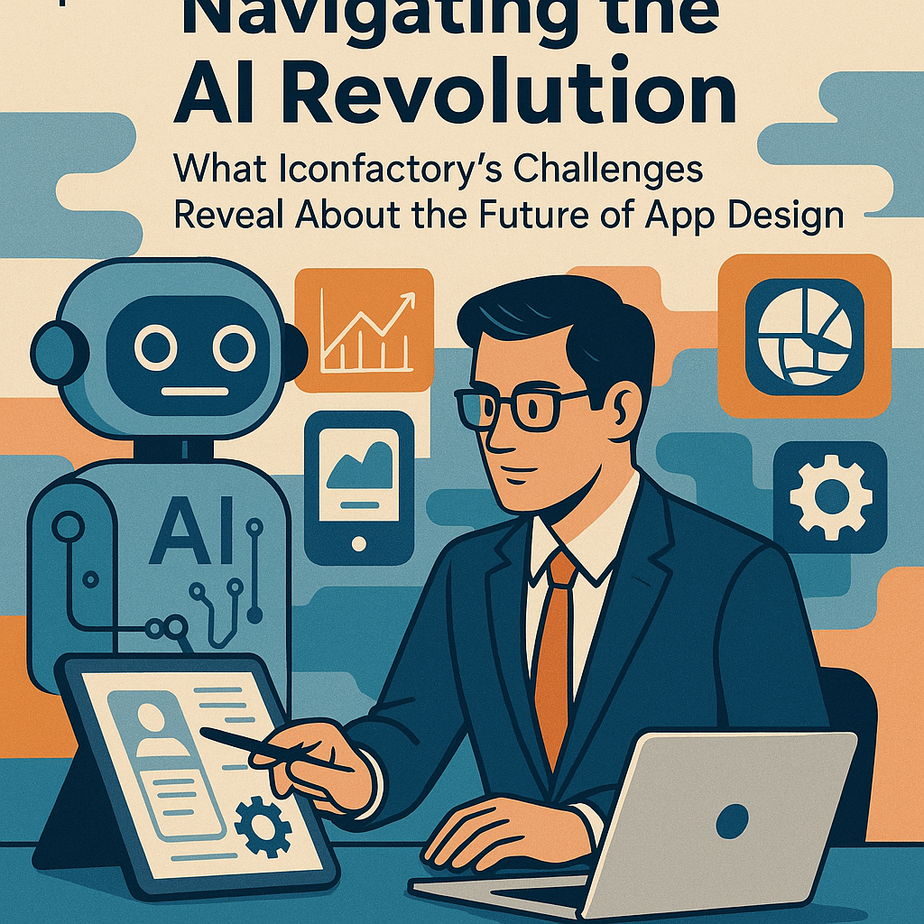
In the dynamic world of technology, few shifts have been as transformative as those brought on by artificial intelligence. The creative sector, particularly app design and development, is undergoing a profound evolution that is challenging long-standing industry players. Iconfactory, a respected design studio known for crafting user-friendly and visually appealing applications, is now encountering hurdles that highlight the disruptive influence of AI on traditional workflows and creative processes.
The difficulty faced by Iconfactory is emblematic of a larger trend where manual craftsmanship and artist-driven design confront the rapid automation enabled by AI tools. These technologies can generate vast design assets, conceptual ideas, and even functional prototypes with minimal human input, raising essential questions about the role of human creativity in an AI-augmented era. For Iconfactory, this means re-evaluating how to maintain brand identity and quality while adapting to tools that dramatically compress production timelines.
At the heart of this transformation is a paradox: while AI democratizes creative capabilities, it also disrupts established business models. Smaller studios and independent designers may find new opportunities to compete, but longstanding firms like Iconfactory face existential questions. Will clients prefer AI-generated rapid iterations or expertly crafted, meticulously refined design experiences? The answer is still unfolding, and how companies position themselves amid this uncertainty could determine their future relevance.
From my perspective, the struggle Iconfactory faces is not just a company issue but a symptom of broader cultural and operational shifts. The integration of AI into creative work demands a new synergy where human intuition and machine efficiency coalesce. Those who succeed will likely be the ones who view AI as a collaborative partner rather than a competitor, embracing hybrid workflows that leverage the best of both worlds. This could lead to exciting innovations in app design, blending emotional resonance with technical sophistication.
Ultimately, Iconfactory’s journey through this AI-driven upheaval offers a microcosm of the creative industry’s crossroads. It challenges us to reconsider what creativity means when technology can replicate many aspects of design and to explore how human vision can continue to shine amid burgeoning automation. The future of app design will likely be defined by adaptability, openness to new methods, and a reinvigorated commitment to the essence of purposeful and meaningful user experiences.
No statistics available at this time.

Source: https://bitcoinworld.co.in
📋 Summary
The Iconfactory, a respected app design and development company known for Twitterrific, is facing significant challenges due to the disruptive impact of AI and platform changes, most notably Twitter’s ban on third-party clients, which eliminated their main revenue source. The company is forced to sell parts of its app catalog and focus on new projects like Tapestry, an app aimed at the open social web, though its sustainability remains uncertain. This situation exemplifies the broader industry disruption caused by AI commoditizing creative services and the need for traditional software firms to adapt rapidly in an evolving tech landscape.